




Peyronie s Disease Treatment in India: Surgery & Non-Surgical Options
Peyronie's disease is more prevalent than people imagine, but it's often underdiagnosed due to a lack of confidence or ignorance. It's a condition in which fibrous scar tissue forms inside the penis, which causes an abnormal curvature, pain, and even erectile dysfunction.
For those who want advanced but affordable care, Peyronie's disease treatment India has emerged as a top choice. India has modern urinary procedures, highly skilled specialists, and research-based treatments that are in line with international standards.
Let’s break down everything you need to know—step by step.


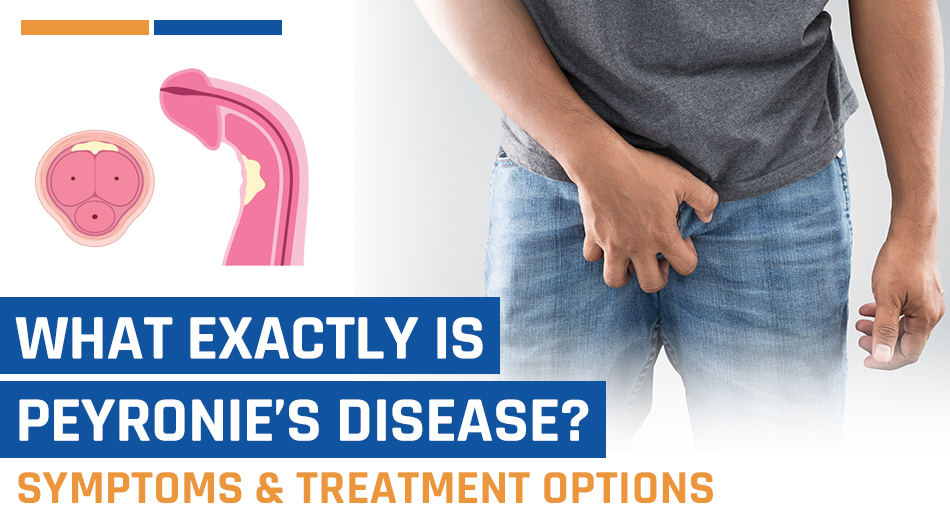
What Exactly Is Peyronie’s Disease?
Peyronie’s disease usually develops after minor trauma or repeated injury to the penile tissue. This leads to internal bleeding and improper healing, resulting in plaque formation. Over time, the plaque reduces elasticity, causing bending or shortening of the penis during erection.
The condition typically progresses in two phases:
- Acute phase: Pain, inflammation, and worsening curvature
- Chronic phase: Stable curvature with reduced or no pain
When researching Peyronie’s disease treatment India, patients often compare global treatment standards. Some may also explore fertility-related treatments like IVF treatment in India, especially if the condition is affecting reproductive planning, though both treatments address very different medical concerns.
Common Symptoms and When to Seek Treatment
Symptoms vary depending on severity and stage. Early identification can improve treatment outcomes.
Key symptoms include:
- Noticeable penile curvature
- Palpable hard plaques under the skin
- Pain during erection
- Erectile dysfunction in some cases
- Shortening of penile length
Patients should seek medical attention if curvature worsens or interferes with sexual activity. Early diagnosis helps prevent long-term complications.
Diagnostic Evaluation: How Doctors Assess the Condition
Diagnosis is primarily clinical and does not always require complex testing.
Evaluation methods include:
- Detailed medical history
- Physical examination to detect plaques
- Penile ultrasound for plaque size and blood flow
- Induced erection test in select cases
These assessments help determine the severity and guide treatment planning.
Non-Surgical Treatment Options
Non-surgical methods are typically recommended during the early or acute phase of Peyronie’s disease.
1. Oral Medications
Doctors may prescribe antioxidants or anti-inflammatory drugs. These aim to reduce inflammation and slow progression. However, results are often modest.
2. Intralesional Injections
Medications are injected directly into the plaque to break down scar tissue. This approach can reduce curvature and improve function in selected patients.
3. Penile Traction Therapy
Traction devices apply a controlled stretching force over time. This may improve curvature and restore some length.
These conservative approaches are beneficial in the early stages. However, they may not completely correct severe deformities.
Surgical Treatment: When Is It Needed?
Surgery is considered when:
- Curvature is severe
- Sexual activity is difficult or impossible
- The disease has stabilized (usually after 9–12 months)
One of the most effective approaches is penile curvature surgery, which physically corrects the deformity. The choice of procedure depends on curvature severity, penile length, and erectile function.
Comparing Non-Surgical vs Surgical Treatment Options
To better understand which option may be suitable, here is a clear comparison:
Peyronie’s Disease Treatment Options - Comparison Table
| Parameter | Non-Surgical Treatment | Penile Curvature Surgery |
|---|---|---|
| Best For | Early-stage (acute phase) | Stable or severe curvature |
| Goal of Treatment | Reduce pain and slow progression | Correct curvature and restore function |
| Methods Used | Medications, injections, and traction devices | Plication, grafting, or implant surgery |
| Effectiveness | Moderate improvement in selected cases | High success rate in most patients |
| Time to See Results | Gradual (weeks to months) | Immediate structural correction |
| Hospital Stay | Not required | 1–3 days (depending on procedure) |
| Recovery Time | Minimal downtime | 4–6 weeks for full recovery |
| Pain Level | Mild discomfort | Mild to moderate post-surgical pain |
| Impact on Penile Length | May slightly improve length with traction | May shorten (plication) or restore grafting |
| Erectile Function | Usually preserved | May improve (with implants) |
| Risk of Recurrence | Possible | Low when properly treated |
| Cost | Lower overall cost | Higher cost depending on the surgery type |
| Suitability | Mild curvature without major dysfunction | Severe curvature or failed conservative treatment |
This comparison highlights that penile curvature surgery is often the most effective solution in advanced stages, while non-surgical methods are useful in early disease management.
Types of Surgical Procedures
1. Plication Techniques
This method involves placing sutures on the opposite side of the curve to straighten the penis. It is less invasive and suitable for moderate curvature.
2. Plaque Incision or Excision with Grafting
The surgeon removes or cuts the plaque and places a graft to restore length and shape. This is used in more complex cases.
3. Penile Implants
For patients with erectile dysfunction, implants provide both rigidity and straightening. In such cases, penile curvature surgery is often combined with implant placement for optimal results.
During decision-making, patients may also compare procedures with other urological interventions and review factors like Indian implant surgery cost to understand affordability and long-term value.
Role of Penile Implants in Advanced Cases
Penile implants are recommended when Peyronie’s disease is associated with erectile dysfunction that does not respond to medication.
Two main types include:
- Inflatable implants
- Malleable (semi-rigid) implants
Modern devices are designed to provide natural-feeling erections and high patient satisfaction rates. Many patients also inquire about rigi10 penile implant cost in India when exploring implant-based solutions, especially as part of comprehensive treatment planning.
Cost of Peyronie’s Disease Treatment in India
The cost varies depending on the treatment type, hospital, and surgeon expertise.
Estimated range:
- Non-surgical treatments: Lower cost, depending on sessions
- Surgical procedures: Moderate to high cost depending on complexity
- Implant surgeries: Higher cost due to device and surgical expertise
Despite advanced care, India have significantly more affordable peyronie’s disease treatment cost compared to Western countries.
Recovery and Post-Treatment Expectations
Recovery depends on the chosen treatment.
After non-surgical treatments:
- Minimal downtime
- Gradual improvement over weeks to months
After surgery:
- Mild discomfort for a few days
- Avoid sexual activity for 4–6 weeks
- Follow-up visits for monitoring
Most patients experience significant improvement in curvature and quality of life after appropriate treatment. In advanced cases, penile curvature surgery offers long-term correction and functional restoration.
Risks and Complications
Like any medical procedure, treatments carry some risks:
- Infection
- Bleeding
- Recurrence of curvature
- Temporary or permanent erectile issues
Choosing an experienced urologist reduces these risks significantly.
Final Thoughts: Choosing the Right Treatment Path
Peyronie's disease can be treated as a manageable condition if it is detected early and properly treated. Non-surgical and surgical treatments provide effective results based on the stage of disease and its severity.
Patients who seek treatment for Peyronie's disease in India are able to benefit from the combination of affordable, modern technology and expert specialists. For those considering implant-based treatments, learning about specifications like AMS 700 lgx sizes can aid in making a more informed choice about the suitability of the procedure and the outcomes.
Key Takeaways:
- Peyronie’s disease causes penile curvature due to scar tissue formation
- Early-stage disease can often be managed without surgery
- Surgery is recommended for severe or stable cases
- Penile implants can be effective for those who have erectile dysfunction.
- India provides advanced and cost-effective treatment options.



Be First To Comment
Leave a Comment