Neuritis Treatment in India: Prices, Leading Doctors & Top Hospitals
Neuritis or nerve inflammation, occurs when the nerves are injured, infected, or affected by autoimmune conditions. The condition is characterised by pain, soreness, numbness, hypersensitivity, reduced strength, irregular circulation, and, in some cases, impaired sweating.
While neuritis is sometimes confused with neuropathy, the two are distinct: neuritis primarily involves nerve inflammation or damage, whereas neuropathy typically refers to broader nerve degeneration. In some cases, neuritis can progress to neuropathy if left untreated.
The disorder can affect a single nerve or a group of nerves in different parts of the body. Common consequences include numbness, pain, muscle weakness, and, in severe cases, muscular atrophy or paralysis. The specific type and severity of neuritis depend on which nerves are affected. Frequently impacted areas include nerves extending from the spinal cord to the arms, shoulders, and hands, as well as nerves in the ears or eyes. Women and patients over 55 are more susceptible to this condition.
Many African patients choose India for neuritis treatment because of the country's world-class hospitals, expert neurologists, advanced diagnostic and surgical facilities, and affordable care. Indian hospitals provide personalised treatment plans, shorter waiting times, English-speaking medical staff, and international patient support, making India a top country for neuritis treatment.
What are the Symptoms of Neuritis?
Symptoms of nerve inflammation or neuritis depends on different types of inflammation. Here are the different symptoms of Neuritis in patients:
■ Optic Neuritis:
Optic Neuritis develops when inflammation harms the optic nerve, a group of nerve fibers that carries vision signals from the eye to the mind. Optic neuritis symptoms frequently involve pain with eye motion and transient blindness in one eye.
One eye is often affected by optic neuritis. Some signs include:
- Pain: The majority of patients with optic neuritis experience eye pain that gets worse with eye movement. Behind the eye, the pain might occasionally feel like a dull ache.
- Loss of vision in one eye: The majority of persons experience transient vision loss but to varying degrees. A noticeable vision loss typically starts over a few hours or days and becomes better over the course of a few weeks or months. Some may experience irreversible vision loss.
- Field loss in vision: Loss of side vision can develop in any pattern, including central or outer vision loss.
- Loss of color perception: Perception of color is frequently impacted by optic neuritis. Colors could seem less bright than usual, as you might have noticed.
- Flashing lights: Some patients with optic neuritis claim to experience flickering or flashing lights when moving their eyes.
■ Facial Neuritis:
Facial Neuritis, also known as trigeminal neuralgia, is a disorder that makes one-half of the face feel as though it has received an electric shock. The trigeminal nerve, that transmits feeling from the face to the brain, is impacted by this chronic pain syndrome. Trigeminal neuralgia patients may experience agonizing pain when even minor facial stimulation, such as tooth brushing or applying makeup, occurs.
Some of its symptoms are,
- Acute, shooting, or poking pain experiences that can seem electric shock-like
- Pain that comes on suddenly or that is brought on by actions like stroking the face, chewing, talking, or brushing teeth
- Pain attacks can last anywhere from a few moments and several minutes
- Face contractions can cause pain.
- Multiple attack bursts spanning days, months, years, or more, some persons experience pain-free intervals.
- Trigeminal nerve-supplied areas such as the jaw, gums, teeth, lips, face, and, less frequently, the eye and forehead can experience pain.
- One-half of the mouth is constantly in pain.
- Whether the pain is localized or dispersed across a larger area
- Pain rarely occurs while resting at night
- Attacks that gradually increase in frequency and severity
■ Brachial Neuritis:
The chest, arm, shoulder, and hand are all affected by brachial Neuritis, a kind of Peripheral Neuritis. A condition called peripheral neuropathy affects the nerves that send and receive messages from the brain, spinal cord, and other components of the peripheral nervous system to various regions of the body. It is characterized by pain or a loss of function in these nerves. The disorder is quite uncommon. Injuries to the brachial plexus and brachial neuritis are both terms for the same condition.
Brachial Neuritis symptoms include:
- Severe shoulder or upper arm discomfort
- Usually, only one of the body's sides is affected by pain.
- The pain gradually changes into weakness, numbness, or paralyzing in the musculature of the injured arm or shoulder within a few hours or weeks.
- Lack of shoulder or arm muscular control
- Absence of feeling or sensation in the arm or shoulder
■ Auditory Neuropathy:
Hearing loss caused by auditory neuropathy is uncommon. There is no curative therapy for it, which is brought on by a disturbance of the nerve signals that flow from the internal ear to the brain. The hearing loss can be minor to severe and typically affects both ears. Some people refer to auditory neuropathy as a type of neurological or nerve deafness.
The characteristics and signs of auditory neuropathy might change and vary from person to person. Among the symptoms are:
- Mild to moderate hearing impairment
- Fade in and out of noises
- Inability to comprehend spoken language
- Normal hearing but inadequate speech comprehension
- Reduced speech perception in loud settings.
Many of the symptoms and indicators of auditory neuropathy are also present in more prevalent forms of hearing loss.
What Causes Inflammation of the Nerves?
For each kind of inflammation, the causes are different. Some of the causes for different Inflammation of the nerves are given below.
■ Optic Neuritis:
Optic nerve inflammation is a symptom of the condition. The most common causes of optic neuritis include tonsillitis, dental conditions, and several flu viruses. Other causes are as follows:
Brain inflammation and eye injury. Diabetes and hepatitis issues.
- Blood disorders and many allergy kinds.
- Alcoholism and smoking.
Anti-inflammatory medications and antibiotics are used in modern treatments for irritation of the optic nerves. A doctor should be consulted as quickly as possible to recommend diagnostic procedures for your therapy. They will make a diagnosis and choose a course of treatment.
Optic Neuritis is one of the most prevalent pathologies and, depending on the findings of the diagnostic, may need therapy involving the consumption of antispasmodic medications, cleansing, etc. If you begin the treatment process on time, the results won't take long to manifest; normal eye functioning, in particular, can be recovered.
■ Facial Neuritis:
Facial Neuritis is yet another typical issue. To avoid difficulties from arising, pathology should be treated as soon as possible. The disease weakens the facial muscles and causes them to move less (or not at all), as it affects the nerves that control them.
A clear clinical presentation is one of the illnesses of nerve inflammation, so the doctor typically diagnoses it right away. This kind of pathology develops as a result of numerous illnesses and injuries, including illnesses linked to metabolic abnormalities. Neuritis may be brought on by a hereditary predisposition.
The facial nerve neuritis is quickly recognized by the clinician. To stop complications from arising, treatment is started right away. The patient's overall health will determine how the appointment goes. The physician also considers the primary symptoms and indications of facial nerve neuritis before prescribing particular drugs and making additional recommendations.
■ Brachial Neuritis:
Neuritis of the shoulders is caused by injury to the spine and cervical nerves. The patient's total rest is what determines how the condition will be treated. The hand is kept in this position by a specific bandage. Following that, a neurologist recommends medication and physical therapy.
Extreme discomfort and limited arm motion are two hallmarks of the illness. In certain circumstances, nerve inflammation can result in a partial sensation loss in the limb, the incapacity to bend the fingers, or the inability to do simple twisting movements with both hand. Atrophied muscles may result from all of this.
Surgery is an effective way to treat brachial nerve irritation. Non-steroidal anti-inflammatory medications (NSAIDs) are the primary medications given to the patient.
■ Trigeminal Neuralgia:
The trigeminal nerves become inflamed in this pathology, which results in intense facial discomfort. The condition is extremely widespread. The primary causes of the trigeminal nerve's formation were:
- Different wounds and meningitis
- Implications of concussions
- Herpes and viral illnesses
Pathologies like trigeminal neuralgia can also result from bacterial infections, MS, and prolonged exposure to frost. A doctor prescribes treatment based on the patient's overall health and the findings of the diagnosis.
Face discomfort is one of the primary signs of trigeminal neuralgia. The lower face or the area surrounding the nose and the eyes may experience cyclical pain. Depending on the situation, pain may strike hourly or once per day.
■ Auditory Neuropathy:
This kind of illness is frequently recognised in patients as auditory neuropathy. Once the ailment has been accurately diagnosed by the doctor, treatment can begin. Hearing issues result from the condition, which develops as the auditory nerve becomes inflamed. Seniors are usually the ones who are affected by this illness.
Early diagnosis and treatment of acoustic neuropathy can reduce symptoms and halt the progression of the condition. Audiometry is used to diagnose neuritis. Analgesics, diuretics, and specific medications that aid enhances blood circulation have all been administered to patients.
What is the Option for Neuritis Treatment in India?
You can alert your general physician to any of the above symptoms. The patient's medical background and a medical examination of the symptoms are both used by the doctor to determine the condition's diagnosis. Patients might be directed to pain or eye specialist depending on the test's findings.
An EENT physician or Neuropathy treatment may also be recommended for them. It will also include blood tests, MRIs, and neurological examinations. It might also be necessary to conduct other tests, like optical coherence tomography (OPT) and a nerve biopsy.
The following are the available options for neuritis treatment in India for the condition:
- If a vitamin B shortage is the root of the disease, vitamin B supplements may be necessary.
- Patients who have a tumor pressing against a compressed nerve can have abnormal development removed by surgery.
- Prescriptions for painkillers, antidepressants, anti-seizure, and topical medications may be given to patients. This aid in easing the condition's symptoms. They are utilized to prevent pain signals from reaching the brain from the damaged nerves. In some circumstances, steroids may also be used.
- It is also possible to utilize a variety of therapy to reduce symptoms. These include physical therapy, acupuncture, and electrical nerve stimulation. According to the extent of a patient's disease and their preferences, doctors decide which course of action is best for each individual patient.
After a successful course of treatment, there are several steps that can be followed to prevent the problem from returning. A balanced diet is one among them, as is addressing any underlying causes. Regular exercise and vitamin B supplementation can both be beneficial. Other preventative strategies include avoiding stress, tobacco, and excessive alcohol consumption. In addition, doctors could suggest that their patients practice relaxation.
Best Doctors for Neuritis Treatment in India
If you’re seeking the best doctors for neuritis treatment in India, you’ve come to the right place. India is home to experienced neurologists and specialists renowned for their expertise in diagnosing and managing neuritis with advanced medical techniques. CureIndia helps connect patients with top-rated neuritis specialists across the country. Let's hear from some of our best neuritis treatment doctors in India:
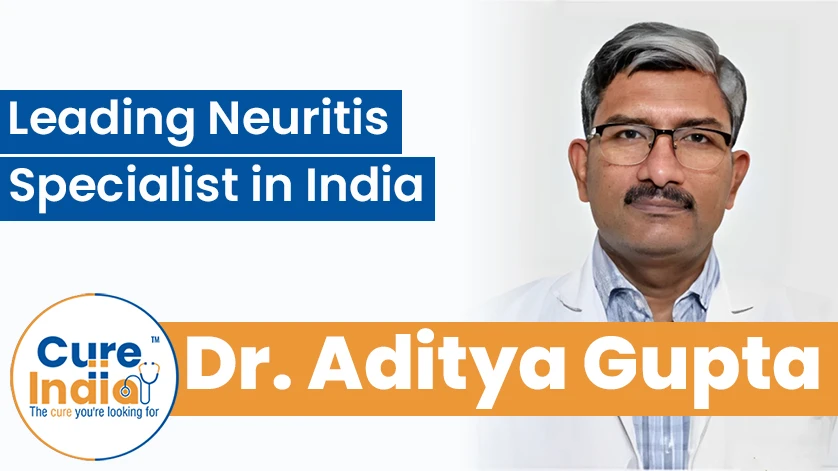
1. Dr. Aditya Gupta
Dr. Aditya Gupta is a leading neuritis specialist in India who is recognised for his expertise in diagnosing and managing various forms of neuritis. Known for his patient-centric neurotherapies, he utilises advanced neurological assessment methods to deliver accurate evaluations and effective treatment plans for conditions such as neuritis.
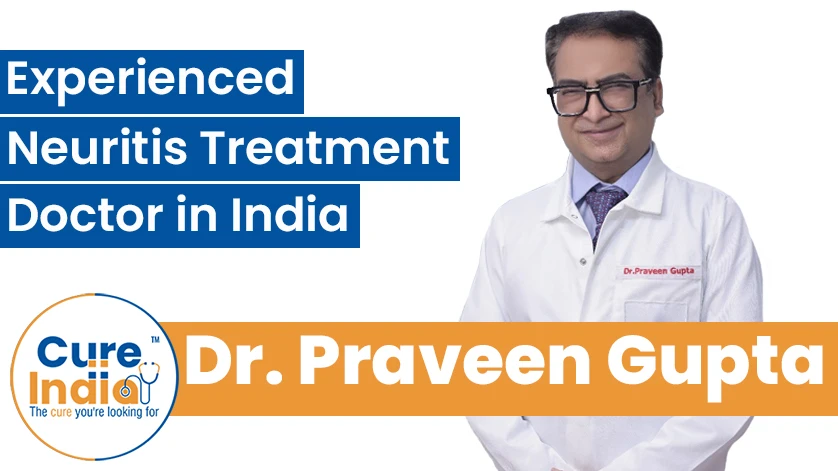
2. Dr. Praveen Gupta
Dr. Praveen Gupta is an experienced neuritis treatment doctor in India who brings extensive experience of over 20 years in treating neuritis and a range of neurological conditions. He is known for his detail-orientated assessment techniques, patient-centric treatments, and high success rates.
3. Dr. Puneet Agarwal
Dr. Puneet Agarwal is a top doctor for neuritis treatment in India, who is regarded worldwide for his clinical proficiency in treating neuritis and related neurological disorders. His neurologic treatments comprise comprehensive evaluation, early intervention, and personalised treatment strategies. With extensive experience of over 25 years in managing acute and chronic nerve inflammation, Dr. Agarwal is a preferred choice for patients needing high-quality neuritis treatments.

4. Dr. Sanjay Saxena
Dr. Sanjay Saxena is an expert neurologist for neuritis treatment in India who is known for his specialisation in neurology with a particular focus on neuritis diagnosis and management. His expertise lies in understanding complex nerve-related conditions and offering well-structured and patient-specific treatment plans.

What is the Cost of Neuritis Treatment in India?
The treatment cost for neuritis in India is generally quite modest compared with the same cost in countries like the USA and UK. Therefore, the overall expenditure tends to remain very low, in the range of around $1,000, depending on severity, treatment duration, hospital or doctor consulted, and any additional diagnostics needed.
| Treatment Name |
Cost in India |
Stay in India |
| Neuritis Treatment in India |
$3,500 |
7 - 10 Days |
How is Recovery After Neuritis Treatment in India?
In some circumstances, permanent vision loss may result from repeated bouts damaging the optic nerve. More than two-thirds of individuals had complete 20/20 vision after a full recovery, according to studies. Up to 85% of people with Optic Neuritis experience irreversible optic nerve damage, however, this damage is frequently caught early enough just to allow for full visual recovery. Up to 80% of patients recover at a minimum of 20/30 vision, with 35% doing so within a year and 45% in the initial 4 months.
Around 20% of patients get long-term significant vision loss, while about 3% go completely blind. On the other hand, in the majority of individuals (95 percent and higher), vestibular neuritis only occurs once. Most patients achieve full recovery after this procedure.
LET'S PLAN YOUR
TREATMENT IN INDIA
Neuritis Treatment in India FAQs
A self-limiting condition called vestibular neuritis causes vestibular symptoms to remain for one to two days before gradually going away. The disease rarely lasts longer than a few weeks to a few days.
A magnetic field and radio wave energy pulses are used in an MRI scan to create images of your body. You might be given an injection of a contrast agent before having an MRI to test for optic neuritis so that the optic nerve and other areas of your brain would appear more clearly on the images.
Peripheral neuropathy known as brachial neuritis affects the hand, arm, shoulder, and chest. A condition known as peripheral neuropathy affects the nerves that transmit messages from and to the spinal cord and brain to various regions of the body. It is characterized by pain or a loss of function in these nerves.
Although the terms neuropathy and neuritis are occasionally used interchangeably, it also is a painful disease that is brought on by nerve damage, malfunction, or degradation rather than just inflammation. Neuritis can occasionally develop into neuropathy.
The disease itself is not spreadable. In other words, someone with vestibular neuritis can't give it to you. But you can give other people the viruses that result in vestibular neuritis.
The best exercise is to first put your upper back against a wall and stand with your feet shoulder-width apart. Face forward, tuck your chin down, & pull your head back till it touches the wall. Try to put your head back without tilting it back or nodding it forward. Continue stretching for five seconds, then take a break. Do this ten times.
Trigeminal neuralgia is a very painful condition. Even though the situation is not fatal, the pain can be so bad that it makes moving hard. Trigeminal neuralgia cure is possible: When done by a skilled doctor or surgeon, surgical and medical therapies can bring the pain under control.
Yes, vestibular neuritis is a disorder of the inner ear that causes sudden, extreme vertigo, dizziness, problems with balance, nausea, and vomiting. Experts think that infections with viruses cause vestibular neuritis. Most of the time, treatment means taking care of the signs or taking antiviral drugs.
There is no effective technique to avoid getting vestibular neuritis because viruses are the root cause of the ailment. However, you may lessen the likelihood of getting sick by ensuring that all your vaccinations are current.
Approximately four individuals out of every 100,000 are diagnosed with vestibular neuritis. It is the third most prevalent cause of vertigo in the periphery of the head. Individuals who suffer from peripheral vertigo (also known as vertigo of the inner ear) often still retain the ability to walk. People of all ages are susceptible to developing vestibular neuritis, while youngsters are far less likely to be affected by the condition.
About 95% of the people who get vestibular neuritis only get it once. The majority of people make a full recovery. Yet, there remains a chance of recurrence or return.


 +918448560641