Cortical Stimulation Surgery in India: Best Hospitals, Doctors & Surgery Cost
Cortical stimulation is an advanced neurosurgical technique for the treatment of several neurological and nerve-related conditions. In this procedure, electrodes are placed directly on the cerebral cortex to modulate abnormal neural activity.
Cortical stimulation has shown promise in treating conditions such as treatment-resistant depression and drug-resistant epilepsy. It also holds several benefits in managing movement disorders and chronic neurological pain.
A number of African patients are now opting for cortical stimulation surgery in India due to the country’s medical expertise, advanced technology, and cost-effective treatments. India is home to internationally accredited hospitals and highly experienced neurosurgeons who specialise in performing advanced procedures, including functional and stereotactic neurosurgery. Compared to many western countries, treatment costs in India are more affordable while maintaining global standards of safety and quality. Shorter waiting times, English-speaking medical teams, and comprehensive medical tourism support with services including visa assistance and post-treatment care make India a leading country for African patients who are in need of advanced neurological treatments.
What is Cortical Stimulation Surgery?
Neurosurgical techniques such as Cortical Stimulation Surgery (CSS) can treat various nerve diseases. CSS stimulates certain parts of the brain. This method has shown promising treatment results for several diseases. These include movement problems, epilepsy, and chronic pain.
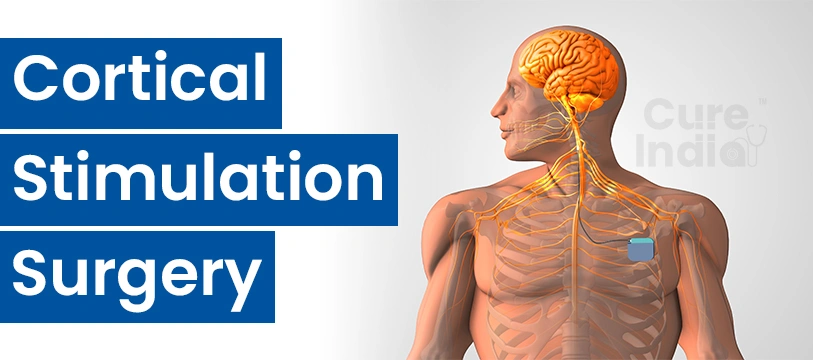
CSS principles rely on stimulating specific brain regions. This alters neural activity and provides therapeutic benefits. This is called baseline stimulation. CSS aims to regulate or interfere with abnormal brain signals. This focuses on malfunctioning areas. It gives rise to a variety of neurological conditions.
What is Cortical Stimulation Mapping?
Electrocorticography has developed a technique known as cortical stimulation mapping (CSM). It pinpoints the precise areas of the brain responsible for specific functions. CSM requires an invasive surgical operation. Researchers have investigated the connection between cortical anatomy and systemic function. It is still considered one of the first ways of evaluating the brain worldwide.
To avoid unnecessary harm during surgery, doctors still choose cortical stimulation mapping. This technique is best for pre-operative mapping of the language and motor cortex. It also has many therapeutic and clinical uses. One or more of the following are examples of clinical uses for cortical stimulation mapping:
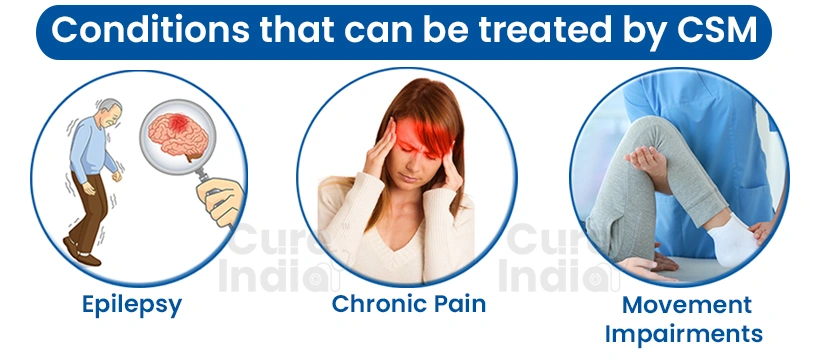
■ Epilepsy Treatment
The treatment of epilepsy is one area where CSS is most often used. Cortical stimulation therapy is an option to consider for people who are not responsive to conventional medicine. Implanting electrodes in the brain may lessen the intensity and frequency of seizures. It interrupts aberrant electrical activity.
■ Relieving Chronic Pain
Many patients are turning to CSS for relief from neuropathic pain and certain forms of migraines. They also use it for other chronic pain problems. Patients who have not found relief from traditional pain treatment techniques may find relief with cortical brain stimulation. It modulates pain circuits in the brain.
■ Movement Impairments
A person's standard of living may be diminished by conditions such as essential tremor or parkinson's disease. CSS may be used to enhance motor control and reduce symptoms. It targets specific brain areas responsible for movement abnormalities.
How Does Motor Cortex Stimulation Work?
Neuromodulation involves implanting electrodes in specific areas of the body. This alters the function of the neurological system. An example is motor cortex stimulation. Motor cortex stimulation controls pain signals by putting electrodes on the outer layer of the brain. To do this, doctors perform a small craniotomy.
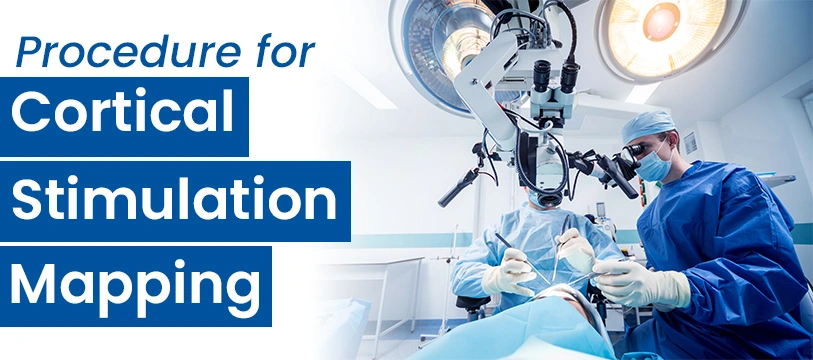
Further, the neurosurgeons will be able to insert the electrodes precisely. They will do this after they map your brain using an MRI. After that, they will be attached to a battery-operated neurostimulator.
Doctors may use a neurostimulator to activate the parts of your brain that process pain signals. The employment of a separate radio transmitter accomplishes this. Some believe MCS direct brain stimulation might alleviate pain. It does this by stimulating the brain's endogenous opioid system.
Am I a Suitable Candidate for Cortical Stimulation Surgery in India?
Motor cortex stimulation may benefit people who have tried nerve blocks, oral meds, injections, and other treatments without success. This therapy may cure dysphagia. It may also cure neuropathic facial pain, intractable pain, and chronic refractory pain. Motor cortex stimulation has shown promise in treating a variety of painful conditions. These include post-stroke syndrome and unusual forms of trigeminal neuralgia.
Best Doctors for Cortical Stimulation in India
Cortical stimulation is a specialised neurosurgical technique used to treat neurological conditions such as chronic pain, epilepsy, and motor disorders by directly stimulating specific areas of the cerebral cortex. This advanced procedure can help improve brain function or control symptoms when other treatments have not been effective. India has a growing number of highly trained neurosurgeons and neurologists experienced in performing cortical stimulation using advanced technology and personalised treatment planning. Some of our best doctors for cortical stimulation in India include:
1. Dr. Aditya Gupta
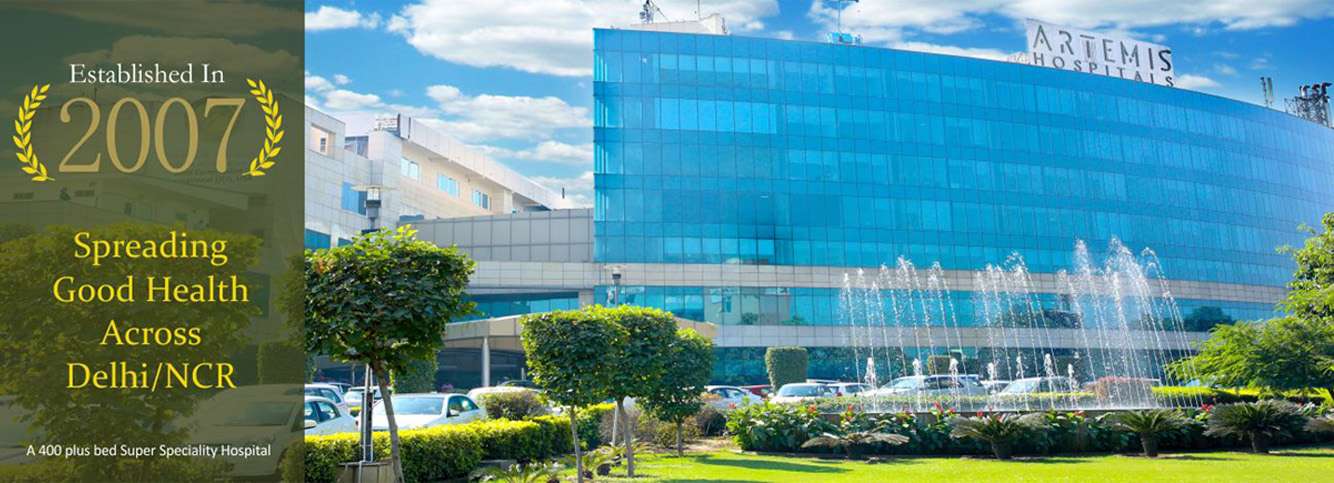
Dr. Aditya Gupta is an accomplished neurosurgeon with extensive experience of around 30 years in cortical stimulation procedures for preoperative brain mapping and functional preservation. He currently serves as the chairman of the Neurosurgery department at Artemis Hospitals.
2. Dr. Sachin Kandhari
Dr. Sachin Kandhari is a top neurosurgeon in India recognised for his expertise in cortical stimulation procedures, used for brain mapping and functional neurosurgery. He has more than 20 years of experience as a neurosurgery specialist, and he currently works as a senior neurosurgeon at IBS Hospital, Delhi.
3. Dr. Sandeep Vaishya
Dr. Sandeep Vaishya is a leading neurosurgeon specialising in cortical stimulation and brain mapping for complex neurological conditions. To date, Dr. Vaishya has successfully performed more than 1,000 cortical stimulation procedures, earning recognition for himself as one of India’s top experts in the field.
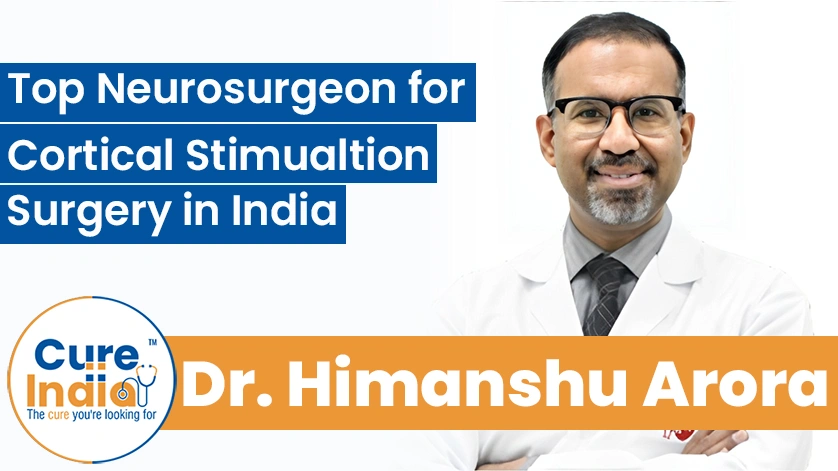
4. Dr. Himanshu Arora
Dr. Himanshu Arora is a highly trained neurosurgeon specialising in cortical stimulation surgery for epilepsy, brain tumors, and functional mapping. Known for his meticulous surgical techniques and high success rates, Dr. Arora has established himself as a top expert in this advanced neurosurgical procedure.
What is the Procedure for Cortical Stimulation Surgery in India?
During part of the motor cortex stimulation operation, patients must stay awake to guarantee the proper placement of the electrodes. It is necessary to administer a local anesthetic. Here are the two stages that make up the procedure:
■ Stage 1: Before your operation, your physician will arrange a fMRI scan to map the motor cortex of your brain. Its purpose is to pinpoint the precise cerebral region that requires stimulation. This is to stimulate functionality in the motor cortex.
■ Stage 2: Your neurosurgeon will use brain imaging scans taken before your operation. They will use frameless guidance to create an exact map of your brain while you are under anesthesia. To implant an electrode over the specific location of your brain, the neurosurgeon will use these images. If your surgeon wants to test the device and get your opinion on whether the stimulation is going to the right spot, they may wake you up during the process.
The stimulators that regulate the stimulation create an electrical connection with the implanted electrodes. A surgical operation is often carried out 10-14 days after the first surgery to implant the implanted pulse generator. The patient might return home the very next day after surgery. Off-label usage of devices is necessary to activate the motor cortex.
What is the Cost of Cortical Stimulation Treatment in India?
Cortical stimulation treatment in India is more affordable compared to many Western countries, with costs influenced by factors like the treatment approach, hospital infrastructure, and the expertise of the neurology team. Both non-invasive and surgical methods are available, with prices ranging between $26,000 and $30,000 through CureIndia. This is a fraction of what patients would pay in the US, UK, or Australia. India has become a preferred country for advanced neurological care, offering high-quality cortical stimulation procedures at advanced medical facilities with proven results.
| Treatment Name |
Cost in India |
Stay in India |
| Cortical Stimulation Surgery in India |
$26,000 - $30,000 |
2 Weeks |
How is Recovery After a Motor Cortex Stimulation in India?
Patients thinking about getting motor cortex stimulation in India should not anticipate miracles. While surgery does alleviate specific symptoms, it does not provide a permanent solution. Some patients may need up to six months of post-operative modifications. Then, they will get the full benefits of their procedure. Up to half of the patients undergo motor cortex stimulation. They do so after a thorough selection process.
Following the completion of the treatment session, the patient will need to remain in the hospital for another one to two days. Patients must heed the aftercare instructions given to them. It is essential to get enough rest throughout the recovery phase after the operation.
Patients are unable to leave the house or use motor vehicles for a month. Wigs and chemical hair coloring are two things you should stay away from. This is because they might cause infections while your hair is mending.
Throughout the healing process for cortical brain stimulation, patients must take whatever medications they are already using for pain management. Reduce the dosage of these drugs as prescribed.
Careful removal of sutures or staples often takes place 10–14 days after the surgery. The doctor can now monitor the progress of the healing process.
You may make an appointment with the doctor at a later time. Any necessary adjustments may be made to the settings of the electrode stimulation. You will need to purchase a new IPG about once every three years.
It may take up to six months after implantation before the patient feels all the effects of stimulation of the motor cortex. Motor cortex stimulation alleviates chronic pain in around 30-50% of patients.
Now, there is a reason for those with hard-to-cure neurological illnesses to have hope. Cortex stimulation surgery, a substantial advancement in neurosurgery, has made this possible. Technology and studies on the brain continue to progress. Cortical stimulation therapy is a potential treatment for a wide variety of neurological conditions. It has shown some promising results.
LET'S PLAN YOUR
TREATMENT IN INDIA
Cortical Stimulation Surgery in India FAQs
Functional MRI (fMRI) scans, MEG, and magnetic source imaging are examples of such methods. Transcranial magnetic stimulation is another example. Functional MRI is the hypothesis that when a particular activity is carried out, the brain's appropriate cortex will become active.
Electroconvulsive therapy (ECT) is the preferred treatment for treatment-resistant depression. However, repeated transcranial magnetic stimulation may alleviate symptoms. When other treatments for moderate to severe depression have failed or become unbearable, rTMS is currently the treatment of choice.
Researchers can stimulate specific brain regions. This allows them to determine which areas are required for particular activities. This results in the creation of a map that may be used to ascertain which regions of the brain are somewhat less hazardous to remove.
In general, stimulation parameters are kept low, with amplitudes ranging from 2-10 V, pulse widths of 90 ms, and frequencies of 40 Hz. Thus, the target stimulation amplitude for specific centers is a percentage of the motor threshold. More difficult pain syndromes, like anesthesia dolorosa, require increasing the energy supply.
The following are some of the most popular kinds of brain stimulation treatments:
- Deep Brain Stimulation (DBS)
- Electroconvulsive Therapy (ECT)
- Transcranial Direct Current Stimulation (tDCS)
- Transcranial Magnetic Stimulation (TMS)
The premotor and supplementary motor regions get information about motivation, decision-making, and the limbic system from the cingulate cortex. As a last step, the prefrontal cortex communicates with the motor cortex via fibres. These fibres are responsible for crucial processes related to motor planning and execution.
A standard stimulation parameter is biphasic, constant current stimuli. They operate at 25, 50, or 60 Hz. These stimuli have a duration of 0.2–0.3 ms and an intensity that varies between 1 and 15 mA.


 +918448560641