Scaffold Procedure in India - Treatment Price, Leading Doctors & Hospitals
There are millions of people in the world who are affected by chronic wounds, burn injuries, diabetic ulcers, and trauma-related tissue damage every year. But oftentimes, traditional wound care methods tend to fail to provide effective results, leaving patients with non-healing wounds with an increased risk of infection and scarring.
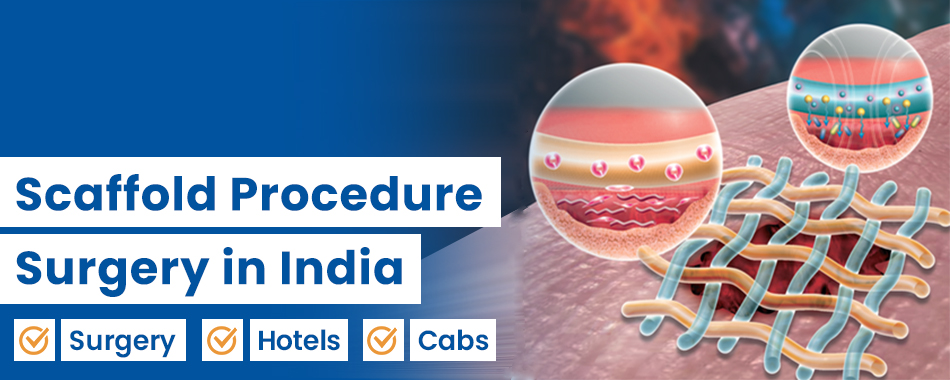
Scaffold surgery in India, also known as a scaffolding procedure, offers a modern treatment option by providing a 3D support structure that promotes tissue regeneration and accelerates wound healing. In countries like the USA, UK, and Australia, advanced treatments such as scaffold surgery can be expensive, with its costing between $10,000 and $25,000. This is why most people struggle to access these life-changing procedures in Western countries.
As an alternative, India has come out as a leading destination for these surgical procedures due to its advanced medical infrastructure, internationally trained surgeons, and cost-effective treatment care. By visiting India for scaffold treatment, patients can benefit from India’s medical infrastructure, state-of-the-art surgical theatres, specialised wound care units, and personalised treatment plans, all at a fraction of the cost compared to the USA, UK, or Australia. For international patients seeking advanced treatment and quality care within an affordable range, India is a tempting choice.
What are the Indications for Scaffold Procedure in India?
Scaffolding procedure in India is usually recommended to patients with wounds or tissue injuries that are difficult to heal with conventional treatments. It is especially beneficial in cases when chronic, complex, or non-healing wounds require enhanced tissue regeneration.
You are a suitable candidate for a scaffolding treatment if you experience:
- Chronic or non-healing wounds
- Burn injuries or skin loss
- Diabetic foot ulcers
- Pressure sores or bedsores
- Trauma-related tissue damage
- Surgical wound complications
- Poor vascularisation affects healing
- Scar tissue formation is hindering recovery
These symptoms indicate that a scaffolding procedure could significantly improve healing and tissue regeneration in your body.
What are the Different types of Scaffold Procedures in India?
There are various types of scaffold surgery in India, and the eligibility for each procedure is determined after a thorough evaluation of the patients’ health. The choice of scaffold also depends on the wound type, patient health, and the desired healing outcome. Here are the main types of scaffold treatments offered in India:
■ Autologous Tissue Scaffolds:
Autologous scaffolds are created using the patient’s own tissue, such as skin, fat, or other cells. This approach minimises the risk of immune reactions or rejections. The harvested tissue is then processed and structured to support the wound site, promoting natural regeneration and faster healing. Autologous tissue scaffolds are ideal for patients who prefer a biological material that integrates seamlessly with their body.
■ Synthetic Scaffolds:
Synthetic scaffolds are made from biocompatible materials like polymers or hydrogels. These scaffolds are designed to provide structural support and gradually degrade as the tissue regenerates. Synthetic scaffolds offer precise control over pore size, density, and shape, allowing surgeons to tailor them to specific wound conditions. They are instrumental in chronic wounds or situations where natural tissue is insufficient.
■ Hybrid Scaffolds:
Hybrid scaffolds combine autologous tissue with synthetic materials to leverage the benefits of both. This type of scaffold ensures the biological compatibility of natural tissue while maintaining the mechanical strength and customisation of synthetic scaffolds. Hybrid scaffolds are particularly effective for complex wounds that require both structural support and biological integration.
■ Growth Factor-Infused Scaffolds:
Some scaffolds are enriched with growth factors or bioactive molecules that accelerate tissue repair and promote angiogenesis (formation of new blood vessels). These scaffolds actively stimulate healing in chronic or hard-to-heal wounds; hence, they offer a faster and more reliable recovery process.
■ Collagen-Based Scaffolds:
Collagen scaffolds are derived from natural collagen and provide a framework that closely mimics the body’s extracellular matrix. They are highly biocompatible, encourage cell adhesion, and enhance tissue regeneration. These types of scaffolds are widely used in burn wounds, diabetic ulcers, and other tissue injuries where rapid healing is essential.
What is the Step-by-Step Procedure for Scaffolding Treatment in India?
The scaffolding procedure is a specialised treatment that is designed to support tissue regeneration and wound healing. Here’s a clear step-by-step outline of how the procedure is performed in India:
- Step 1: Before the surgery begins, your doctor will conduct a thorough evaluation of your wound, overall health, and medical history in order to determine the right course of action for your condition.
- Step 2: The wound area is carefully cleaned and debrided if necessary. Dead or damaged tissue is removed to create an optimal environment for scaffold placement.
- Step 3: Depending on the wound location and procedure complexity, you will receive local, general or regional anaesthesia, which ensures you remain comfortable throughout the procedure.
- Step 4: The surgeon selects the appropriate scaffold type (autologous, synthetic, or hybrid) based on the patient’s wound type, size, and healing requirements.
- Step 5: After selection, your surgeon will carefully implant the scaffold into the wound site, ensuring it fits properly and provides adequate support for tissue growth.
- Step 6: Once the scaffold is placed, the wound is covered with a sterile dressing.
- Step 7: After the procedure, you will be taken to the recovery room, where you will be monitored for a short period to ensure there are no immediate complications.
This procedure is minimally invasive; hence, you will experience faster recovery and improved tissue regeneration when compared to conventional wound healing methods.
What is the Cost of Scaffold Procedure in India?
The cost of a scaffolding procedure in India is significantly more affordable compared to Western countries, making it an attractive option for patients seeking advanced wound healing treatments without a heavy financial burden. In India, the scaffolding procedure typically ranges between $2,000 and $5,000, depending on the hospital, type of scaffold used (autologous, synthetic, or hybrid), and complexity of the wound.
| Treatment Name |
Cost in India |
Stay in India |
| Scaffold Procedure |
$2,000 - $5,000 |
7 - 14 Days |
In contrast, the same scaffold surgery in Western countries such as the USA, UK, or Australia can cost anywhere from $10,000 to $25,000.
How is Recovery After Scaffold Procedure in India?
Recovery after a scaffolding procedure in India is generally smooth and well-managed, primarily when performed in advanced hospitals with specialised wound care units. Most patients notice improvement in wound healing within the first few weeks, as the scaffold provides structural support that encourages tissue regeneration.
Since scaffold surgery in India is a minimally invasive procedure, it ensures that incisions are small, reducing pain, scarring, and the risk of infection. Before you are released from the hospital, you will be advised to follow post-procedure instructions carefully, which may include wound care, hygiene protocols, avoiding strenuous activities, and taking prescribed medications.
You must attend the regular follow-up consultations where your doctor monitors scaffold integration, assesses tissue healing, and makes any necessary adjustments to the treatment plan.
Why Opt for Scaffold Procedure in India?
India has become a preferred destination for patients seeking scaffold surgery due to its combination of advanced medical expertise, modern infrastructure, and affordable care. The country offers world-class treatment while maintaining international safety standards, making it accessible to both local and international patients.
Here are some reasons why India stands out for scaffolding procedures:
- India has expert surgeons with specialised training who are skilled in both autologous and synthetic scaffold techniques.
- The cost of the scaffolding procedure in India is significantly lower than in many Western countries, allowing patients to access high-quality care without the financial strain.
- Top Indian hospitals provide state-of-the-art surgical theatres, infection control protocols, and specialised wound care units for safe and effective scaffold treatment.
- Surgeons in India tailor scaffold preparation methods to each patient’s wound type and healing needs, ensuring the best possible outcomes.
- Unlike many Western countries, India offers rapid consultations and scheduling so that patients can start their treatment without the long delays.
Scaffold Procedure in India FAQs
The scaffolding procedure in India is a minimally invasive treatment that provides a 3D structure to support tissue regeneration. It accelerates wound healing, reduces scarring, and improves tissue recovery, making it ideal for chronic or complex wounds.
Scaffold safety procedure protocols in India are highly advanced, with internationally trained surgeons, sterilised equipment, and strict monitoring. There are rare complications of this procedure, and the procedure is suitable for most patients needing tissue or wound regeneration.
Before going for scaffold surgery in India, the preparation procedure involves proper wound cleaning, pre-procedure evaluations, and following your surgeon’s guidelines. Your doctor will evaluate your overall health and medical history with blood tests, imaging, or temporary medication adjustments to ensure the procedure is safe and effective.
India offers various scaffolding procedures, including autologous tissue scaffolds, synthetic scaffolds, and hybrid biomaterials. The choice depends on the wound type, healing requirements, and patient-specific factors to ensure tailored treatment is provided for each patient.
Recovery after a scaffolding procedure in India is generally smooth, with most patients noticing improved wound healing within weeks. However, complete tissue regeneration may vary by wound type but often requires follow-up visits to monitor progress and scaffold integration.


 +918448560641