An artificial heart transplant in Turkey is a life-saving treatment for patients with end-stage heart failure when medications, devices, or even donor transplants are not viable options. This treatment helps restore blood circulation, improves quality of life, and offers long-term survival.
During the procedure, a left ventricular assist device is attached to the heart’s left ventricle and aorta. This device can serve as a bridge to heart transplantation, sustaining patients while they await a donor heart. In some cases, it is also used as a destination therapy for patients who are not eligible for a heart transplant.
An LVAD is a mechanical pump that supports a failing heart, but it is important to distinguish between an LVAD and a total artificial heart. While an LVAD assists the heart in pumping blood, an artificial heart completely replaces the failing organ.
Turkey has become one of the best countries for availing this advanced surgery. Compared to the UK, USA, and Australia, where costs can exceed $400,000, the same procedure in Turkey often ranges between $70,000 and $100,000 while still maintaining international standards of care. With JCI-accredited hospitals, experienced surgeons, and shorter waiting times, Turkey provides world-class cardiac treatment at a fraction of the cost. This page will be your guide to everything about artificial heart transplants in Turkey, from costs to the best doctors.
An artificial heart transplant is usually not the first line of treatment and is considered when other therapies, surgeries, or a donor heart transplant are not possible or have failed. Minimally invasive cardiac procedures performed by our top 10 heart transplant hospitals in Turkey are beneficial for patients. Less invasive heart transplant procedures mean less pain afterward and shorter hospital stays.
Turkish hospitals like Medipol Mega University Hospital, American Hospital, and Medicana repair the diseased valve using a ring to support the damaged valve. Artificial heart valve replacement involves removing and replacing the entire valve with an artificial valve made of carbon-coated plastic or tissue from animal or human valves. You might be eligible for artificial heart surgery in Turkey if you have the following symptoms:
While the choice of artificial heart transplant in Turkey depends on your age, overall health, and the type and severity of valve disease, you and your healthcare provider will need to discuss the procedures and the outcomes to find the best treatment approach for you.
An artificial heart transplant is not a single procedure; the approach varies depending on your health condition and treatment goals. The main procedures include:
In this procedure, the ventricles of the failing heart are removed and replaced with a mechanical device called a total artificial heart. This device takes over the full function of pumping blood to the lungs and the rest of the body.
Sometimes, an artificial heart is used as a temporary solution while a patient awaits a donor heart. An artificial heart helps keep the patient alive and stable until a suitable donor organ becomes available.
If you are not eligible for a donor heart transplant due to age or other medical conditions, your surgeon might recommend an artificial heart as a permanent solution. In such cases, the procedure is known as destination therapy.
In some cases, instead of replacing the entire heart, doctors use a ventricular assist device. This device supports the function of the left, right, or both ventricles and can be used either short-term or long-term, depending on the patient’s needs.
If you are considering an artificial heart transplant in Turkey, it is normal to feel curious about how the process works. Knowing what to expect and how to prepare for surgery will help you feel more confident and relaxed. From your first consultation to recovery, your medical team will guide you closely at every stage. Here is how the step-by-step procedure will look like:
After an artificial heart transplant, recovery is closely monitored to ensure that your body adapts well to the new device. The process begins with a hospital stay of about 5 to 7 days. You will be kept in the ICU during the initial stages and will eventually be transferred to a standard hospital room.
You might be put on blood thinners after the surgery. You will have to take nutrition through a feeding tube or intravenous (IV) line. You will also receive medicine for pain. You can start walking and eating slowly after the procedure, but refrain from performing any heavy tasks or activities. Here’s what you can expect during your recovery timeline:

If you want to get top-notch medical care without spending a lot on treatments, an artificial heart transplant in Turkey is your best option. But what makes it stand out? From internationally accredited hospitals to famous heart surgeons, Turkey has everything to provide quality medical care at an affordable cost. Here are some additional benefits to look forward to:
In Turkey, you will find the top 10 heart transplant hospitals that are JCI-accredited and equipped with the latest technology, hybrid operating rooms, minimally invasive tools, robotic assistance, advanced imaging, etc. These facilities often meet international standards and produce high success rates in cardiac treatments.
Surgeons in Turkey often train or work abroad, giving them the expertise and experience to perform even critical medical procedures with ease. Many have performed thousands of valve surgeries and artificial heart transplants, so you will get better health results post-treatment.
The cost of an artificial heart transplant in Turkey typically runs between $11,000 and $23,700, depending on the hospital, city, and the type of procedure applied. In comparison, the UK and the USA charge over $40,000 for the same treatment. Hence, you can save up to 70% while still getting top-quality care.
Many hospitals in Turkey offer all-inclusive packages that cover not just the surgery but also diagnostics, hospital stay, aftercare, hotel for you or your accompanying family, airport transfers, interpreters, etc. This reduces stress and planning burden for patients.
Unlike in the UK, USA, and Australia, where you might have to wait many weeks or months for non-emergency artificial heart surgery, in Turkey, you are often scheduled sooner, sometimes within a few days after your consultations. That means you won't have to endure lengthy delays when your condition requires timely medical intervention.
Turkey has become a top country for artificial heart transplantation thanks to its combination of affordable costs and highly experienced cardiac surgeons. The lower cost of living and operational expenses, along with strong government investment in healthcare infrastructure, allow Turkish hospitals to provide world-class cardiac care at accessible prices for international patients.
The cost of an artificial heart transplant in Turkey depends on several factors, including the type of artificial heart device used, the hospital’s facilities, and the surgeon’s experience. On average, prices range from €12,000 to €28,000, covering the surgeon’s fees, hospital stay, and follow-up care. In comparison, similar procedures in countries like the UK, USA, or Western Europe cost between €35,000 and €60,000, allowing patients to save up to 60% or more by choosing treatment in Turkey.
Turkish hospitals offer advanced artificial heart procedures, including total artificial heart implantation, ventricular assist device implantation, and destination therapy options. Medical tourism providers such as CureTurkey offer comprehensive care packages for international patients, covering everything from pre-surgery consultation and hospitalisation to post-operative follow-up and accommodation.
| Country | Artificial Heart Transplant Cost |
|---|---|
| Turkey | $95,000 - $170,000 |
| Europe | $200,000 - $400,000 |
| UK | $120,000 - $200,000 |
| USA | $150,000 - $300,000 |
If you are planning to travel for an artificial heart transplant in Turkey, you will need to obtain a Turkish medical visa. CureTurkey provides a free, step-by-step guide to assist with the visa application process. Before applying, keep these points in mind:
According to the European Travel Association, citizens of many European countries can enter Turkey without a visa for short stays. For others, e-Visa or visa-on-arrival options are available, allowing stays of up to 90 days within a 180-day period.
Istanbul, Turkey’s largest city, is a blend of history, culture, cuisine, and vibrant city life. Whether you’re recovering from an artificial heart transplant or preparing for your procedure, the city offers experiences that can enrich your treatment.
From UNESCO World Heritage Sites and bustling bazaars to breathtaking architecture and scenic waterfronts, Istanbul has something for every patient. If you are traveling to Turkey for your transplant, consider visiting some of these places:
Not sure where to start or how to plan your time? Don’t worry; once you arrive in Istanbul for your procedure, you can easily organise a light and flexible itinerary that fits around your recovery schedule. Our travel coordinators offer guided tours and concierge services, helping you make the most of your stay comfortably and safely.


 Biruni Hospital
  Özel Uncalı Hastanesi
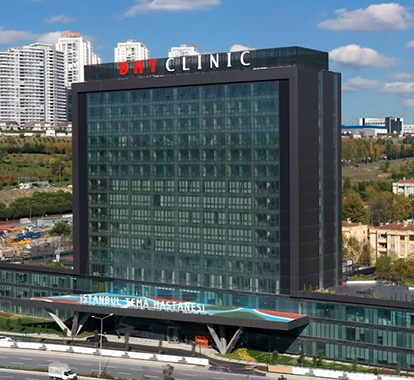
  BHT Clinic
  Güneşli Erdem Hospital
  Ata Sağlık Hospital