


Is Rhinoplasty in Turkey Safe in 2026?
Rhinoplasty, also known as nose surgery, is still among the top cosmetic surgeries around the globe. In recent times, Turkey has become a global hub for cosmetic surgery, attracting thousands of patients from all over the world. One of the main concerns of many people is the safety of rhinoplasty surgery in Turkey, especially when arranging procedures overseas.
In 2026, standards for safety are expected to be in place, as well as medical regulations. The surgical skills of Turkey have significantly improved, making it a competitive and dependable destination for nasal surgery.
How Safe Is Rhinoplasty in Turkey?
When evaluating rhinoplasty safety Turkey, it is important to look beyond marketing claims and focus on clinical standards. Turkey has made strong progress in healthcare regulation, particularly in private hospitals that cater to international patients.
Most accredited hospitals in Turkey follow:
- International sterilisation protocols
- Advanced anaesthesia safety guidelines
- Evidence-based surgical techniques
- Continuous monitoring during and after surgery
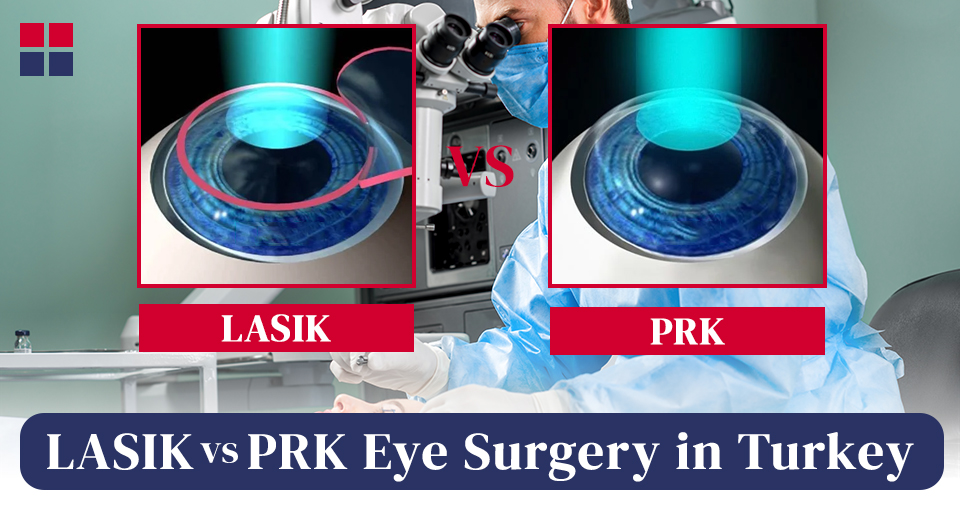
Additionally, many facilities are accredited by global healthcare organisations, which ensures compliance with strict safety benchmarks. These hospitals often treat patients seeking multiple procedures, including eye color change surgery Turkey, under a multidisciplinary care model.
Surgeon Expertise and Clinical Experience
One of the most critical factors influencing surgical safety is the experience of the surgeon. In Turkey, rhinoplasty is often performed by highly trained plastic surgeons who specialise in facial procedures.
These surgeons typically:
- Have years of focused experience in rhinoplasty
- Perform a high volume of cases annually
- Use modern imaging for pre-operative planning
- Follow structured post-operative care protocols
A well-trained surgeon reduces the risk of complications such as infection, asymmetry, or breathing issues. Patients are encouraged to review credentials, certifications, and before-and-after results before making a decision.
Hospital Infrastructure and Accreditation
The safety of rhinoplasty is also closely linked to the quality of hospital infrastructure. Leading hospitals in Turkey are equipped with:
- Advanced operation theatres
- High-quality imaging systems
- Intensive care units (if required)
- Emergency response systems
Many of these hospitals are internationally accredited, which means they are regularly audited for patient safety, hygiene, and clinical outcomes. This level of infrastructure plays a key role in ensuring consistent surgical results.
Pre-Operative Assessment and Patient Selection
A thorough pre-operative evaluation is essential for safe rhinoplasty outcomes. In Turkey, reputable clinics conduct detailed assessments that include:
- Medical history review
- Physical examination of the nasal structure
- Imaging and facial analysis
- Discussion of patient expectations
Patients are only considered suitable for surgery if they meet specific medical criteria. This reduces the likelihood of complications and improves long-term results.
During this stage, cost-related queries such as nose job Istanbul cost are also discussed transparently, helping patients plan their treatment without hidden risks.
Surgical Techniques and Technology
Modern rhinoplasty techniques used in Turkey contribute significantly to patient safety. Surgeons now use:
- Closed and open rhinoplasty methods based on case complexity
- Ultrasonic tools for precise bone reshaping
- Minimally invasive approaches when possible
These advancements reduce tissue trauma, minimise bleeding, and promote faster healing. The choice of technique depends on individual anatomy and desired outcomes.
Infection Control and Hygiene Protocols
Infection control is a major concern in any surgical procedure. Accredited hospitals in Turkey follow strict hygiene protocols, including:
- Sterile surgical environments
- Disposable or properly sterilised instruments
- Antibiotic prophylaxis when needed
- Post-operative wound care guidance
These measures significantly reduce the risk of post-surgical infections, which is a key component of overall safety.
Recovery and Post-Operative Care
Recovery is a crucial phase that directly impacts surgical success. After rhinoplasty in Turkey, patients typically experience:
- Mild to moderate swelling
- Temporary bruising around the eyes
- Nasal congestion
Most patients can return to normal activities within 1–2 weeks, although final results may take several months to develop fully.
Clinics provide structured follow-up care, including:
- Regular check-ups
- Medication guidance
- Instructions for nasal care
Patients often compare procedures during this phase, especially when researching combined treatments such as jaw surgery Turkey or other facial procedures.
Cost vs Safety: Is Lower Cost a Risk?
Turkey is known for offering affordable rhinoplasty compared to countries like the UK or the USA. However, lower cost does not necessarily mean compromised safety.
Factors contributing to lower costs include:
- Lower operational expenses
- Government support for medical tourism
- High patient volume
When evaluating nose job Istanbul cost, patients should ensure that the price includes:
- Surgeon fees
- Hospital charges
- Anaesthesia
- Post-operative care
Choosing the cheapest option without verifying credentials can increase risks. Safety should always be prioritised over cost.
Risks and Complications: What to Expect
Like any surgical procedure, rhinoplasty carries certain risks. These may include:
- Swelling and bruising
- Minor bleeding
- Infection (rare in accredited centres)
- Breathing difficulties (temporary or rare long-term cases)
- Need for revision surgery
Proper patient selection, experienced surgeons, and accredited hospitals significantly reduce these risks.
Patients exploring aesthetic enhancements often consider multiple options, including hairline lowering surgery Turkey, which also requires similar safety evaluations.
Why Turkey Remains a Preferred Destination?
Turkey continues to attract international patients due to a combination of safety, affordability, and expertise. Key advantages include:
- Internationally trained surgeons
- Modern healthcare infrastructure
- Strong regulatory oversight
- Comprehensive patient care
Additionally, the country has developed a strong reputation in medical tourism, offering a smooth experience from consultation to recovery.
Patients often revisit cost considerations, such as nose job Istanbul cost, while comparing Turkey with other global destinations, further reinforcing its value.
Book All Inclusive Nose Job Packages
 |
|
 |
|
Final Thoughts on Safety in 2026
By 2026, the procedure of rhinoplasty performed in Turkey is considered to be safe when carried out in accredited hospitals by surgeons who are certified surgeons. Turkey has aligned its health care practices with international standards and has ensured an excellent level of patient safety and satisfaction.
Patients must still take responsibility by:
- Researching clinics and surgeons.
- Verifying accreditations.
- Understanding risks and recovery.
- Avoid making decisions solely based on the cost.
With the right approach, rhinoplasty security Turkey is backed by research and clinical protocols, as well as the international standard of healthcare. A lot of patients are also considering complementary procedures like Fox eyelift surgery Turkey as a part of the overall plan for aesthetics.
Key Takeaways:
- Turkey offers high safety standards for rhinoplasty in 2026.
- Accredited hospitals adhere to international clinical guidelines.
- Surgeon expertise plays a major role in outcomes.
- Proper pre-operative assessment reduces risks.
- Cost savings do not affect security when a wise choice is made.



Be First To Comment
Leave a Comment